
Facts About Kerosene
Why we do what we do
Over US$10 billion is spent each year on kerosene for lighting in the homes of the poor in developing countries (see Lighting Africa and the Lumina Project). The poor burn US$17 billion of kerosene each year in lanterns to light their homes. The light cast from a kerosene lamp is poorly distributed, has a low intensity and is expensive. The poor lighting levels from kerosene lamps makes it difficult for children to study, affecting literacy and education, and minimizes the effective working hours for income generating activities. The open flame, smoke and soot from kerosene lamps endanger lives by reducing indoor air quality and increasing the likelihood of fire.
The negative impacts of energy poverty are sobering.
- The World Health Organization (WHO) report that there are over 300,000 deaths every year from burns, the vast majority of these occur in low and middle income countries.
- Nearly 4 million women suffer from severe burns from open fires and kerosene lighting each year: similar to the number who are diagnosed with AIDS each year.
- More children die from fire related injuries than fatalities from tuberculosis or malaria.
Burns are, however, only part of the debilitating impact of energy poverty.
- The poor, mostly women and children, consume the equivalent of two packs of cigarettes per day of smoke from indoor air pollution, resulting in chronic respiratory and eye diseases.
- The United Nations Development Program and the WHO report that 1.6 million deaths per year in developing countries are caused by the indoor air pollution attributed to traditional fuels – that’s one life lost every 20 seconds.
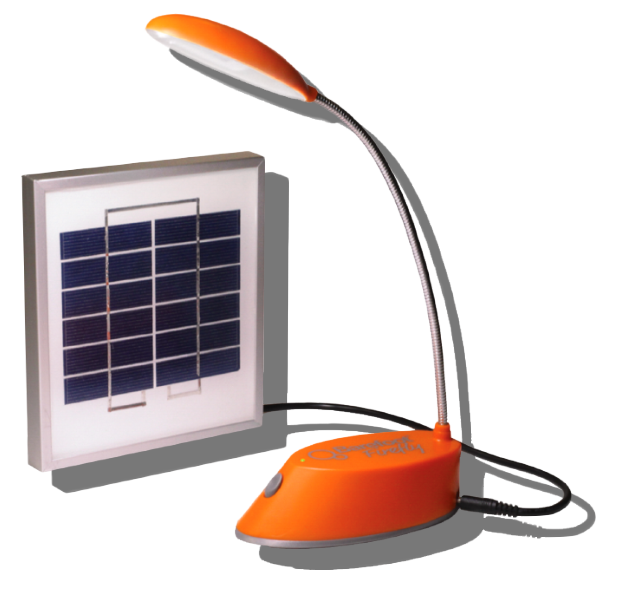
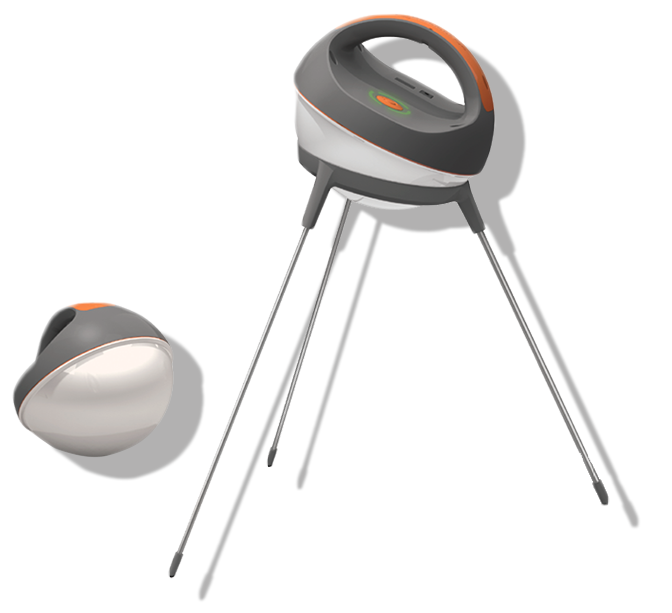
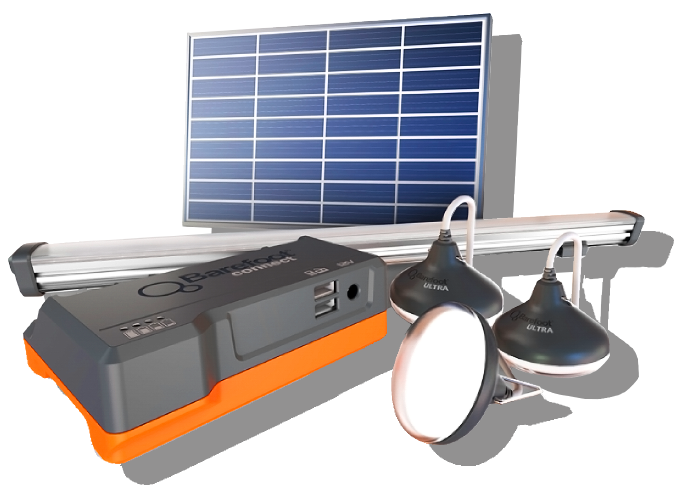
Energy Poverty must be reduced – and our affordable lighting products is the way to help people onto the ladder out of energy poverty.
Our Awards